01
Unified analysis workflow
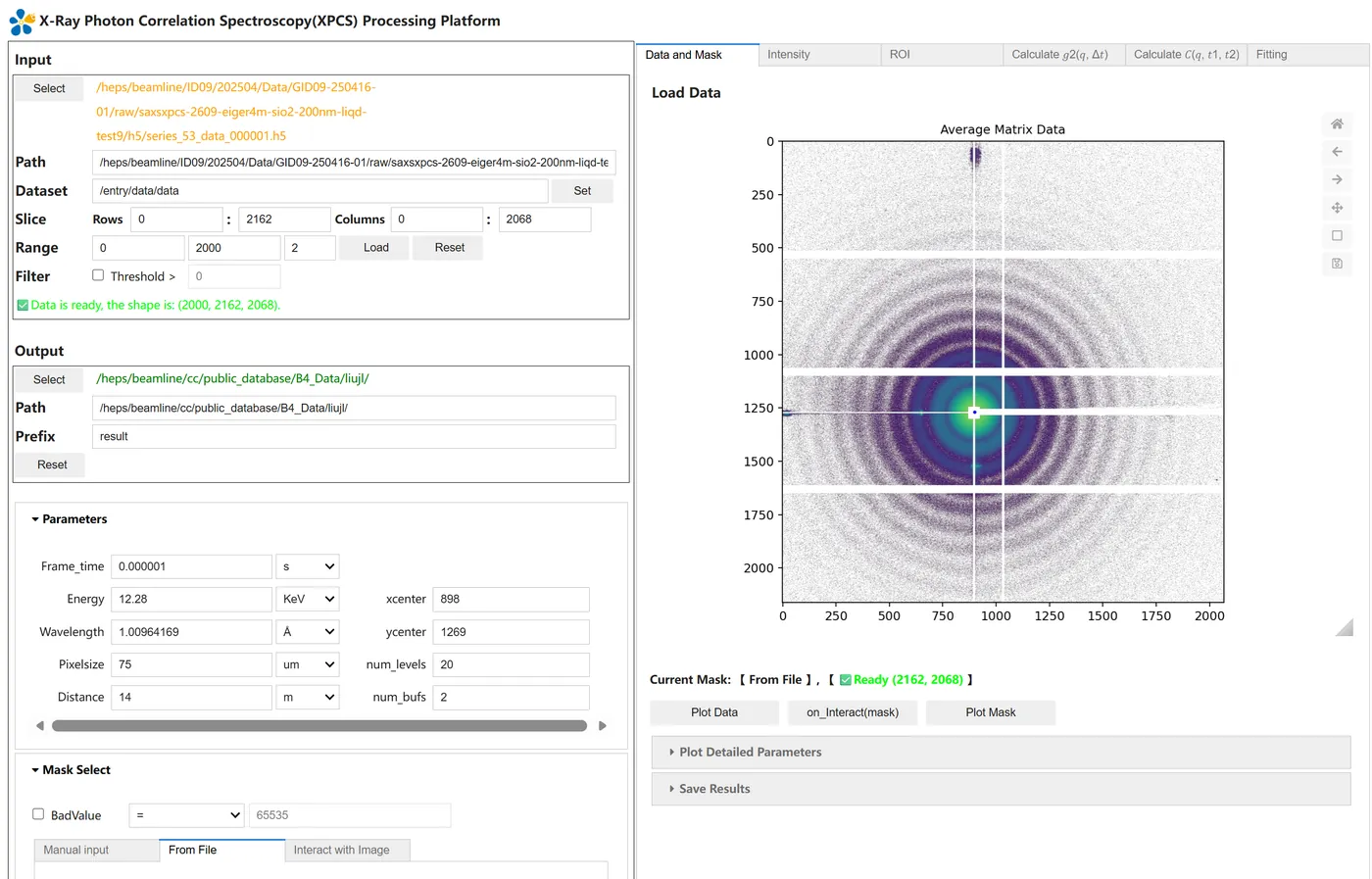
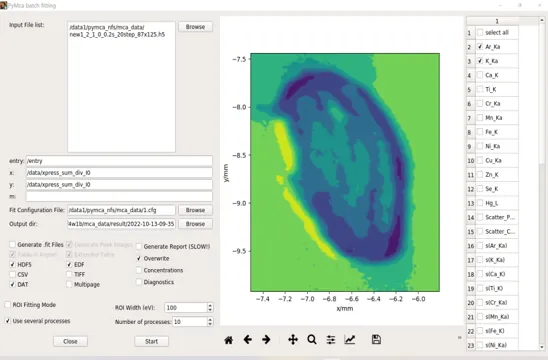
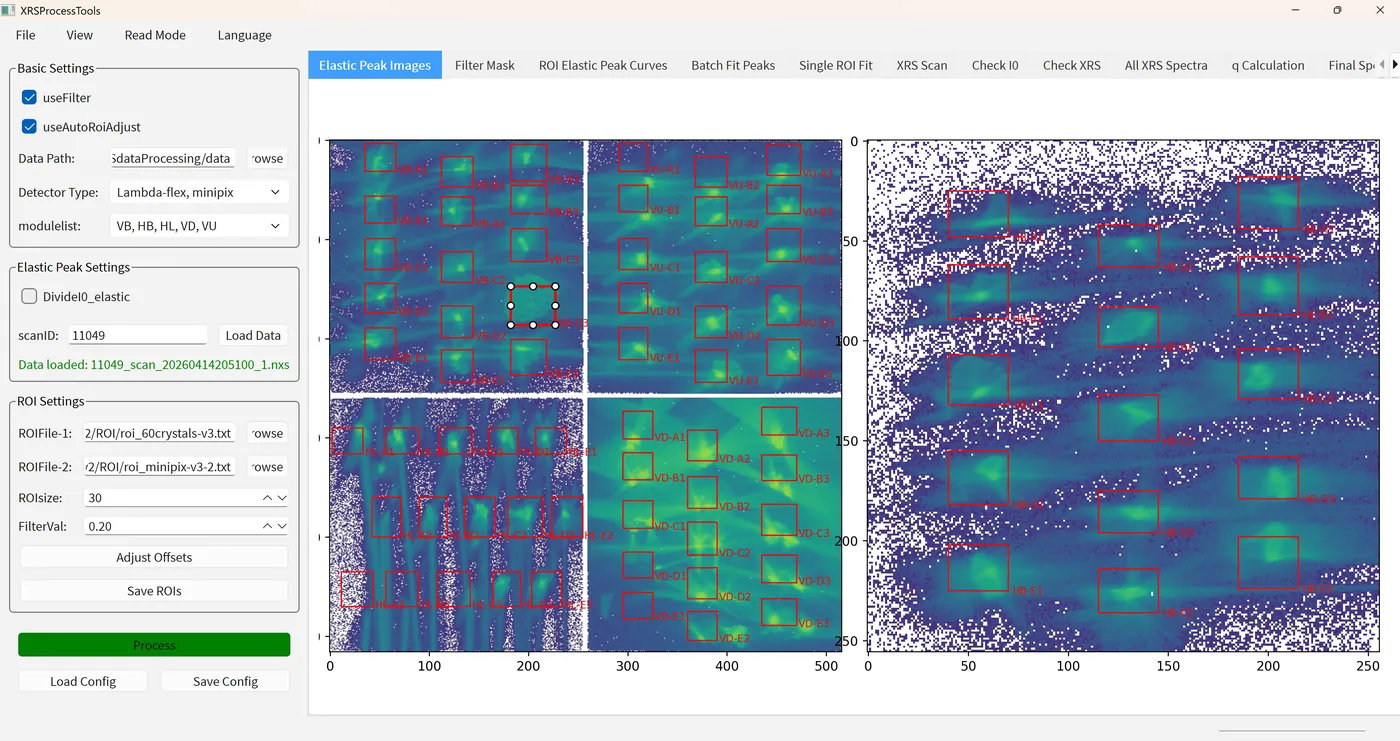
Imaging, diffraction/scattering and spectroscopy software share consistent data access, task execution and result management, reducing differences in formats and operations.
Designed for experimental data processing and analysis at large-scale scientific facilities, this platform is built around DAISY as the core of an open, shared scientific data analysis software service system. DAISY provides a unified, extensible scientific data analysis framework that connects data, computing resources and methodology software. It supports online processing during experiments and large-scale offline batch analysis afterwards. DAISY is deployed at multiple HEPS beamlines, covering imaging, diffraction/scattering, spectroscopy and other experimental methods.
Data updated November 2026
Run DAISY software through TORCH and access HEPS experiment data, computing resources and documentation for a complete workflow from online processing to offline batch analysis.
Batch and parallel computing
Elastic compute and desktops
DAISY provides a unified data analysis environment for synchrotron experiments, covering the complete path from online processing to offline batch analysis.
Imaging, diffraction/scattering and spectroscopy software share consistent data access, task execution and result management, reducing differences in formats and operations.
Process data online or near-real-time in TORCH during experiments, then continue offline with the same software and parameters without migrating data or rebuilding workflows.
GPU, multi-GPU and Slurm parallelism for compute-intensive workloads such as CT reconstruction, phase retrieval, XPCS and large-scale batch processing.
Extend algorithms and workflows with C++ and Python, integrate new methods, data formats and computing resources, and connect with HEPS data and AI services.
DAISY supports online/near-real-time processing during experiments and offline batch analysis afterwards, through interactive environments or HPC batch jobs.
Run DAISY directly during beamline experiments for fast pre-processing, reconstruction and result review.
Continue large-scale batch analysis with the same software, parameters and workflows without migrating data or rebuilding environments.
Online KVM workstations and JupyterLab for visual analysis, scripting, parameter tuning and small-batch processing.
Slurm schedules CPU and GPU resources across nodes for CT reconstruction, phase retrieval, batch integration and other large workloads.
Organised by imaging, diffraction/scattering, spectroscopy, general tools and artificial intelligence. Open a card for details and downloads.
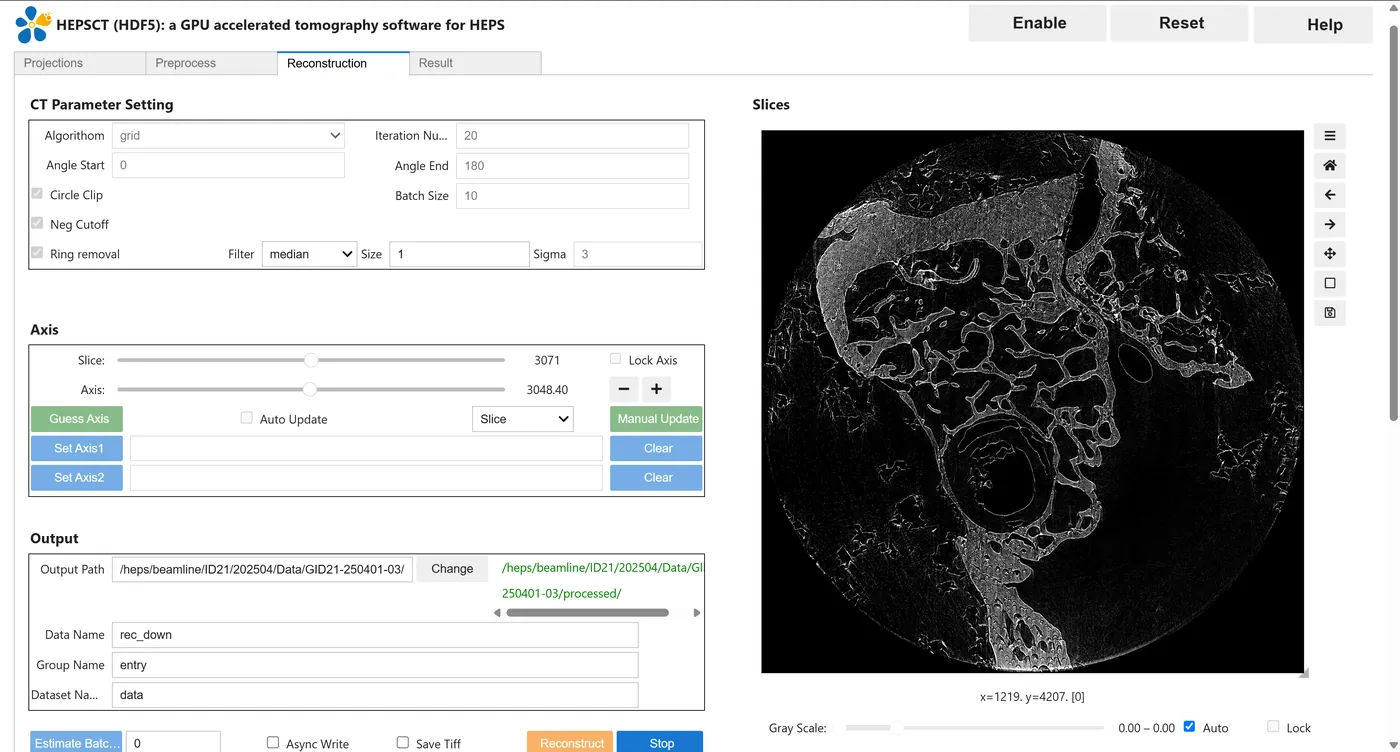
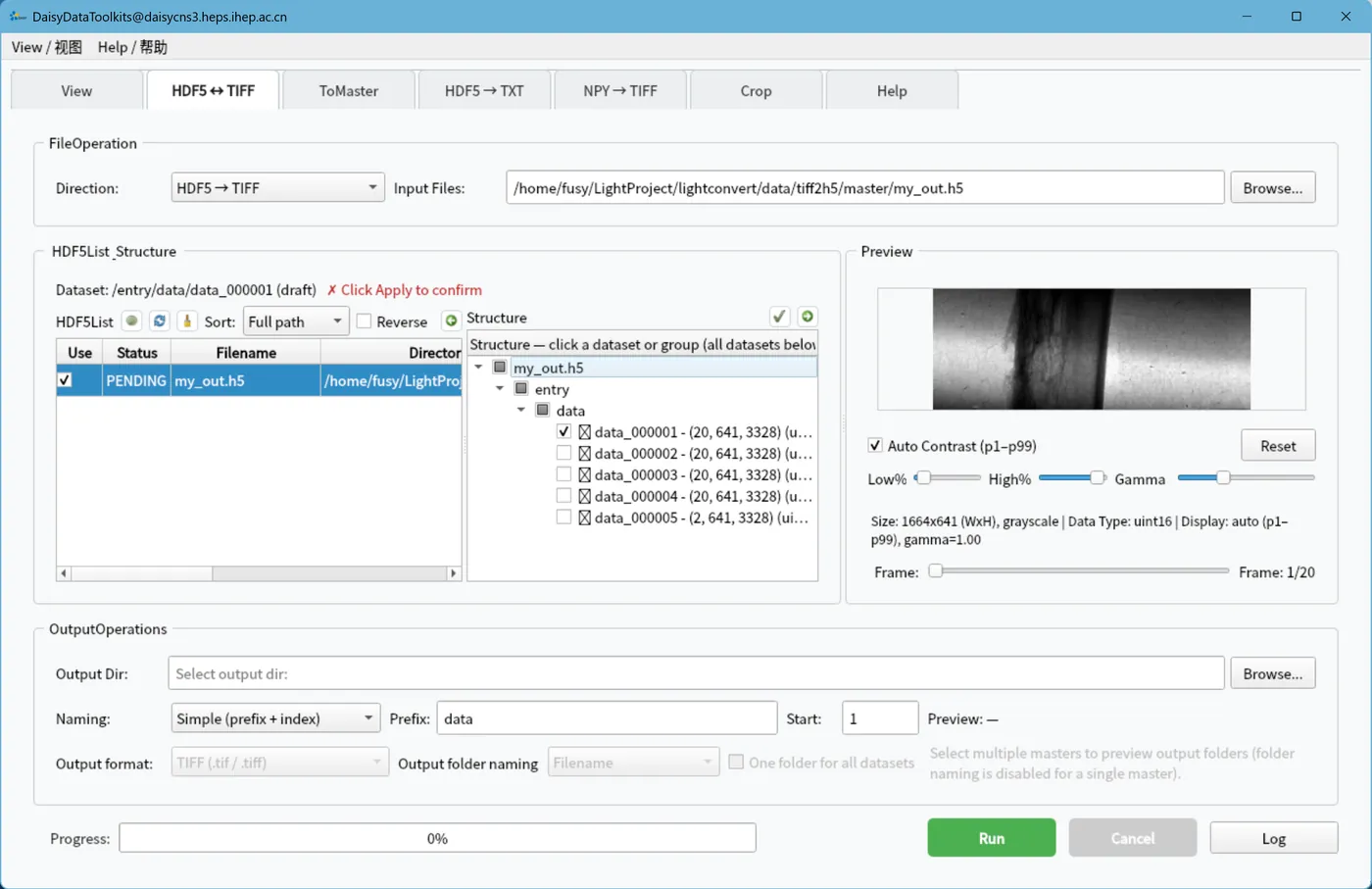
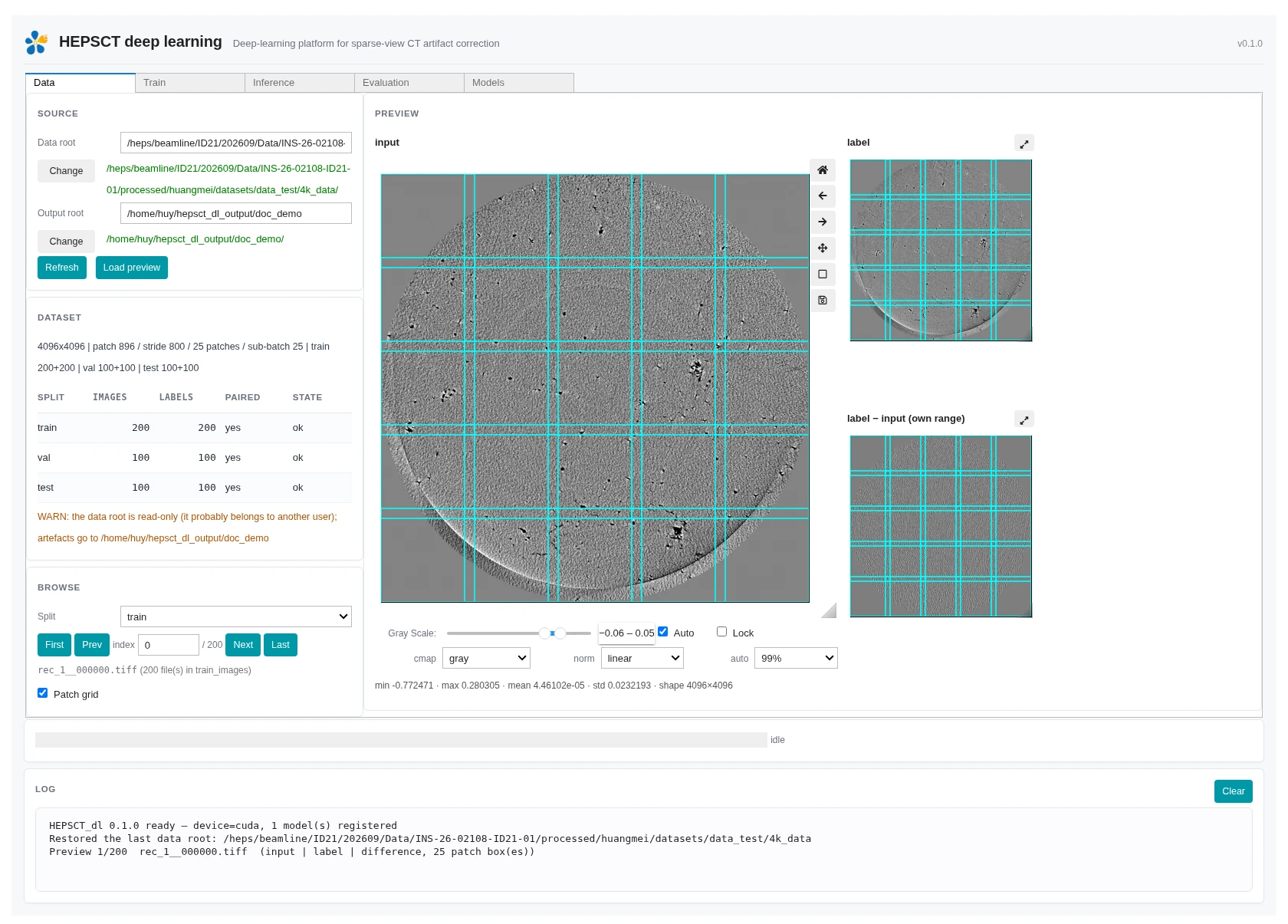
X-ray CT data processing and reconstruction: projection pre-processing, phase retrieval, artifact correction, image stitching, and GPU-accelerated / multi-GPU tomographic reconstruction.
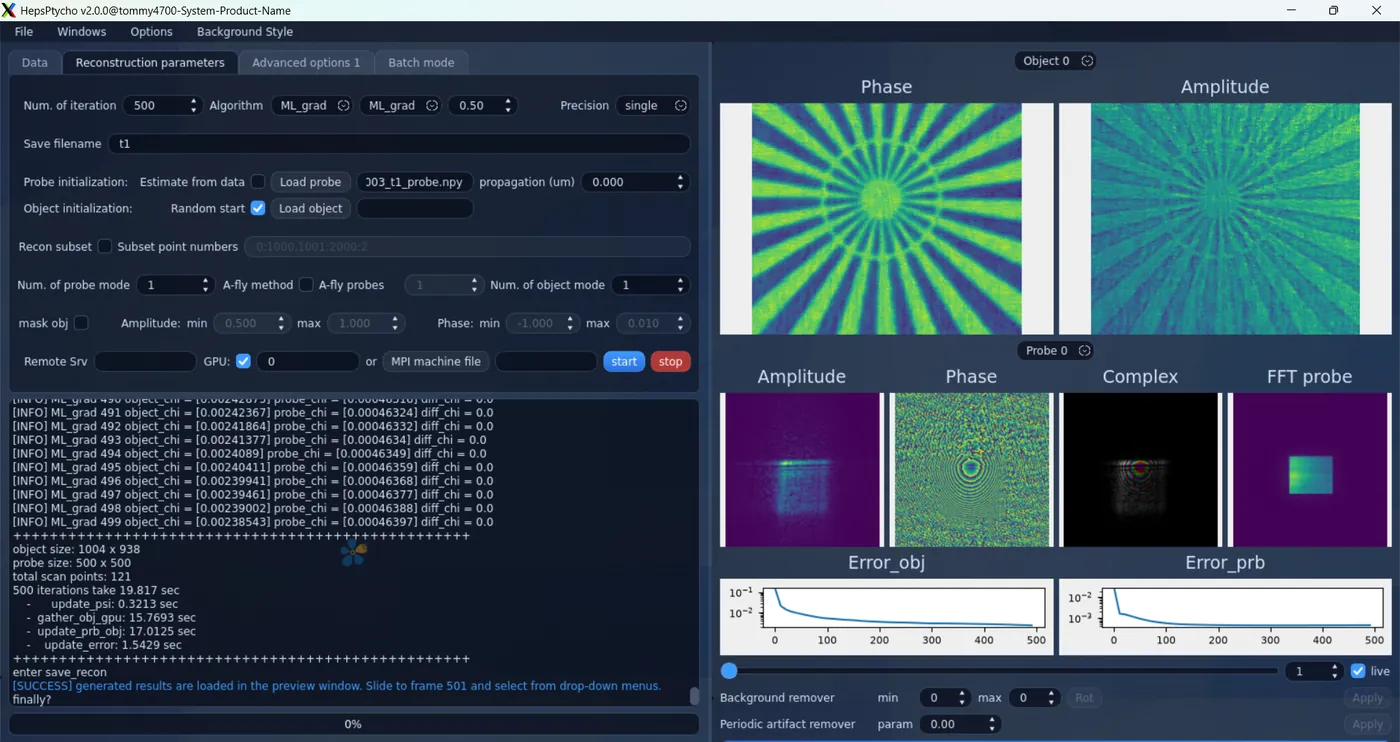
Ptychography reconstruction software with ePIE, rPIE and DM iterative algorithms plus machine-learning methods, supporting multi-GPU parallelism.
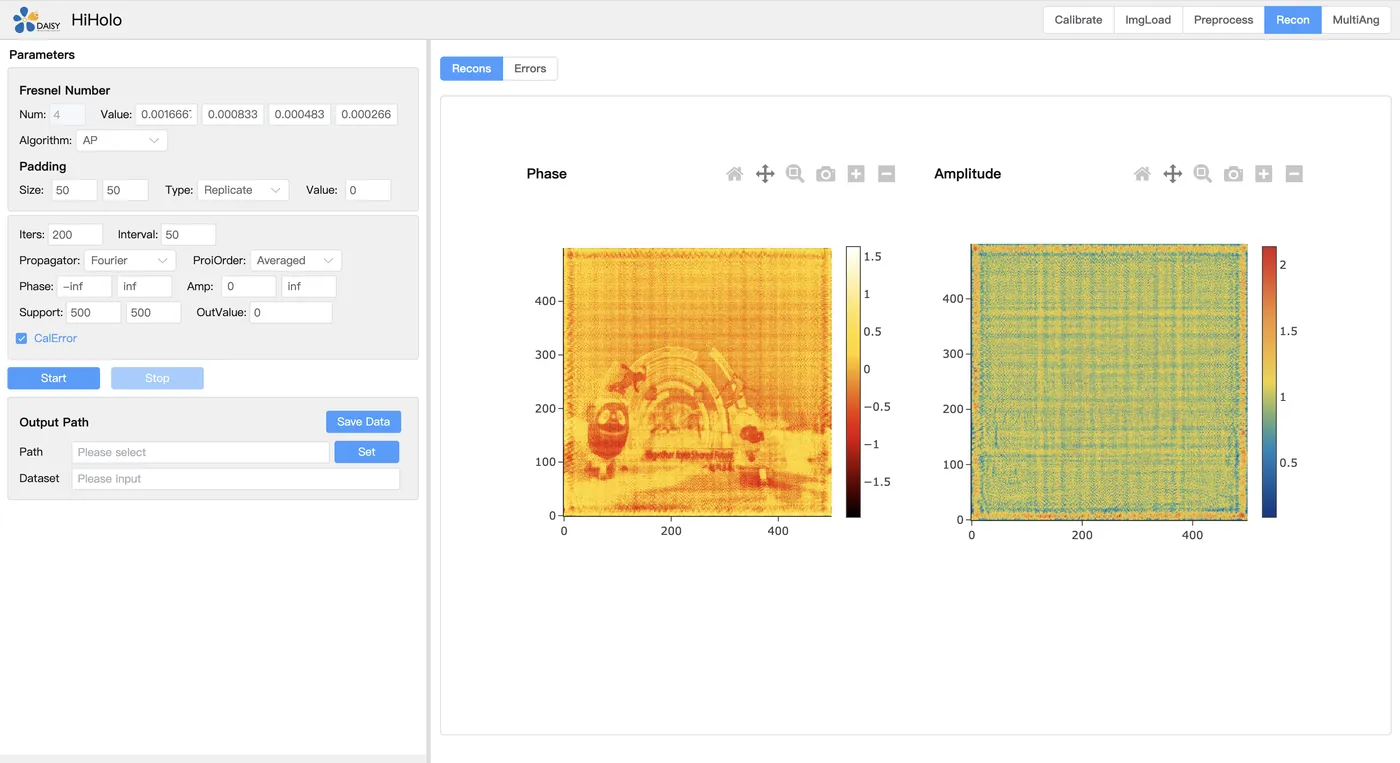
Propagation-based phase-contrast (in-line holography) reconstruction with CTF/TIE phase retrieval and iterative algorithms, with multi-GPU 3D reconstruction.
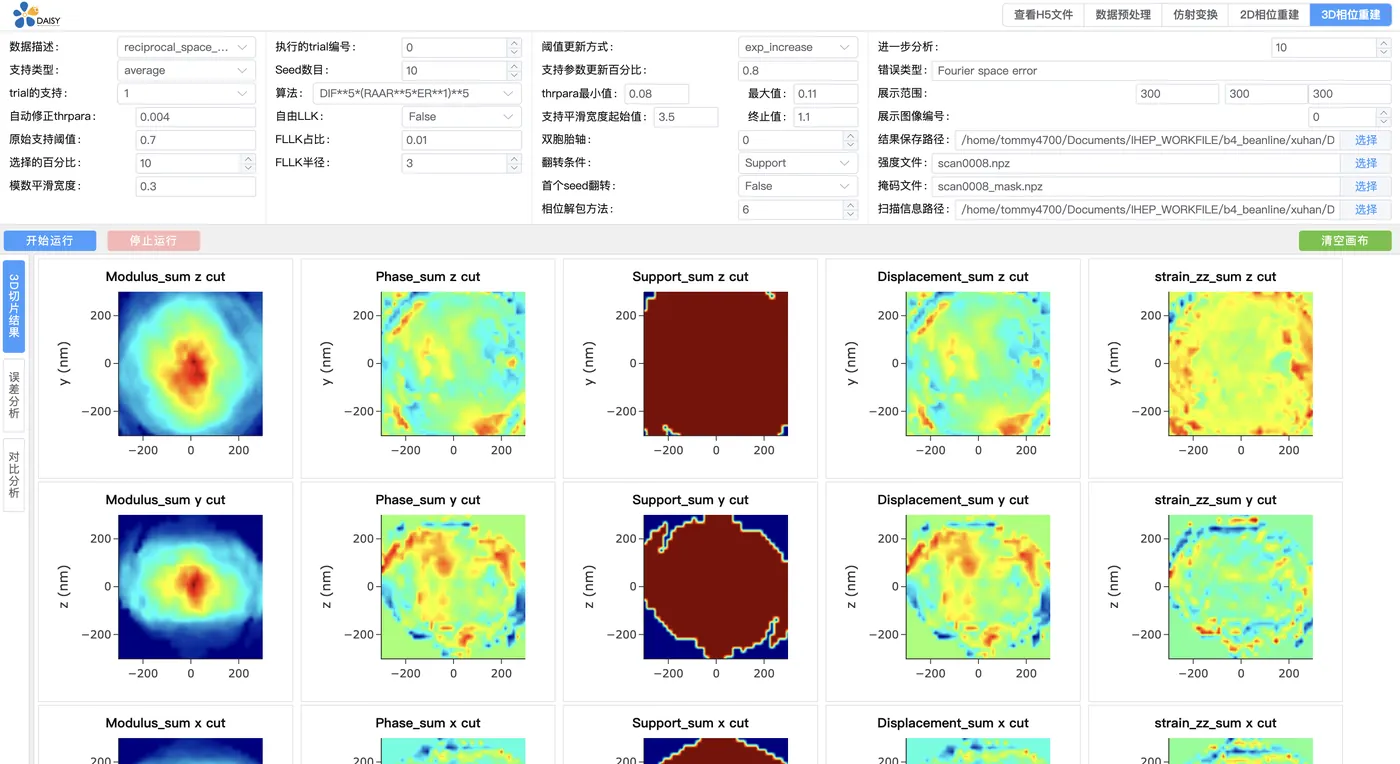
Bragg coherent diffraction imaging (BCDI) pipeline built on the pyCXIM library: pre-processing, 2D/3D phase reconstruction and post-processing.
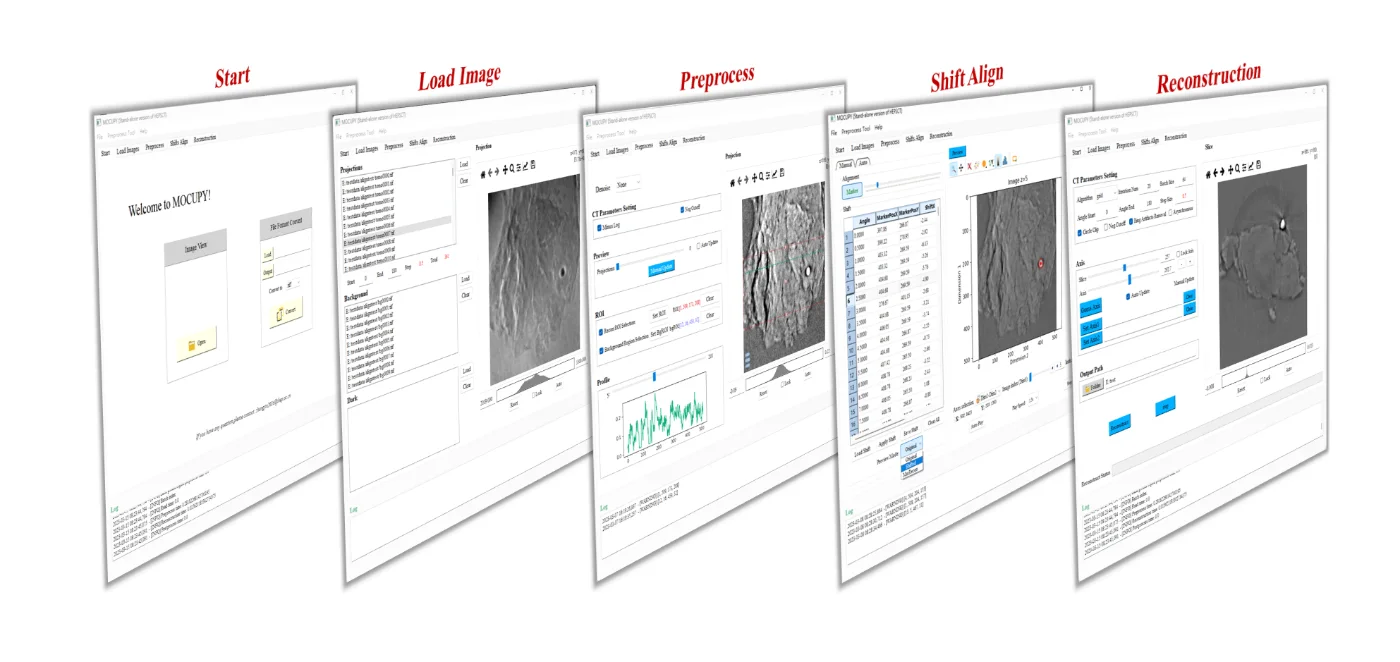
GPU-accelerated standalone CT reconstruction software developed by the HEPS X-ray microscopy imaging beamline team, supporting TIFF data, micro/nano CT, jitter correction, phase recovery and multiple iterative reconstruction methods.
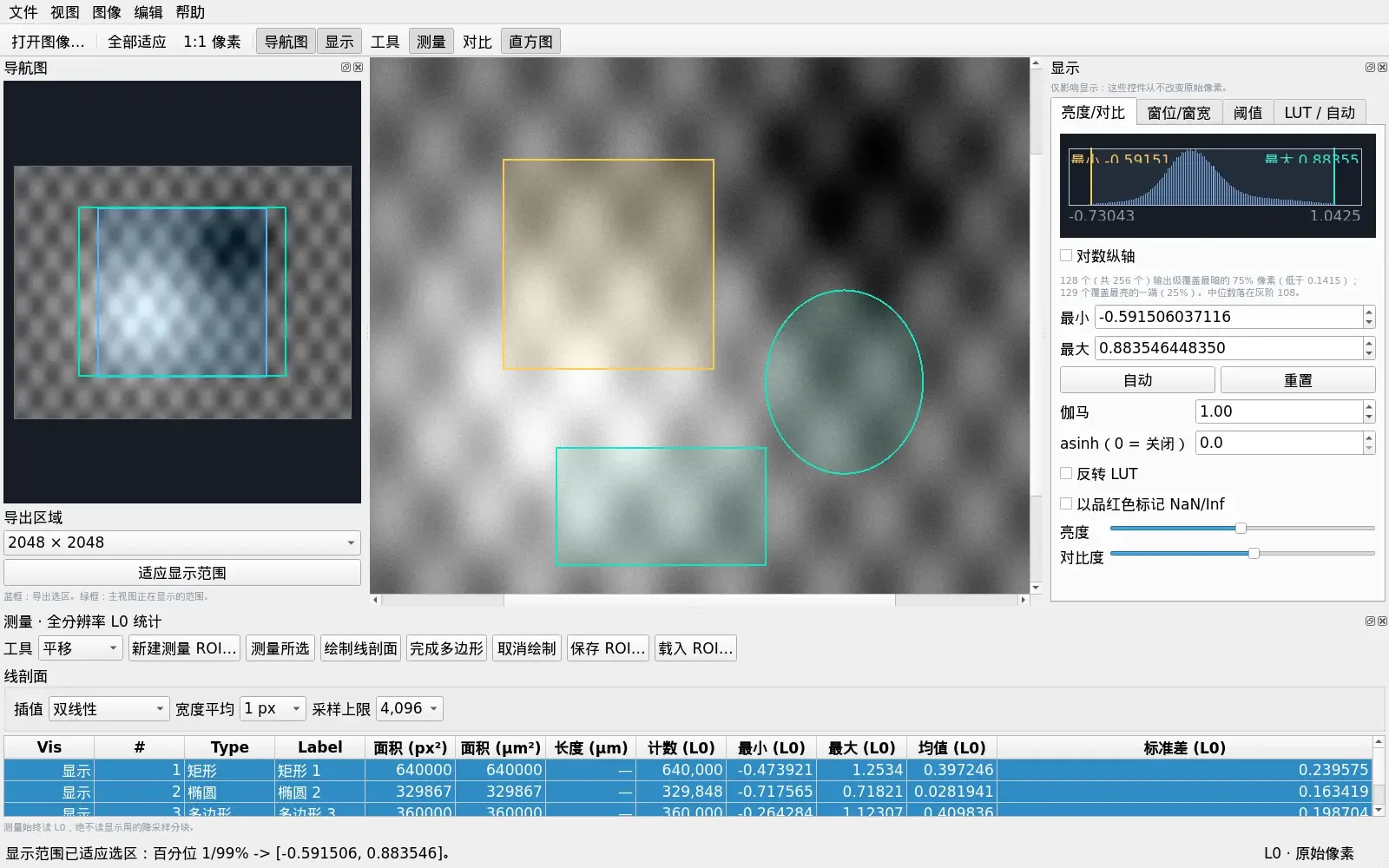
Tile-streamed viewer and analysis tool for very large 2D scientific images without loading the full image into memory, with display enhancement, ROI measurements, comparison, histograms, line profiles and export.
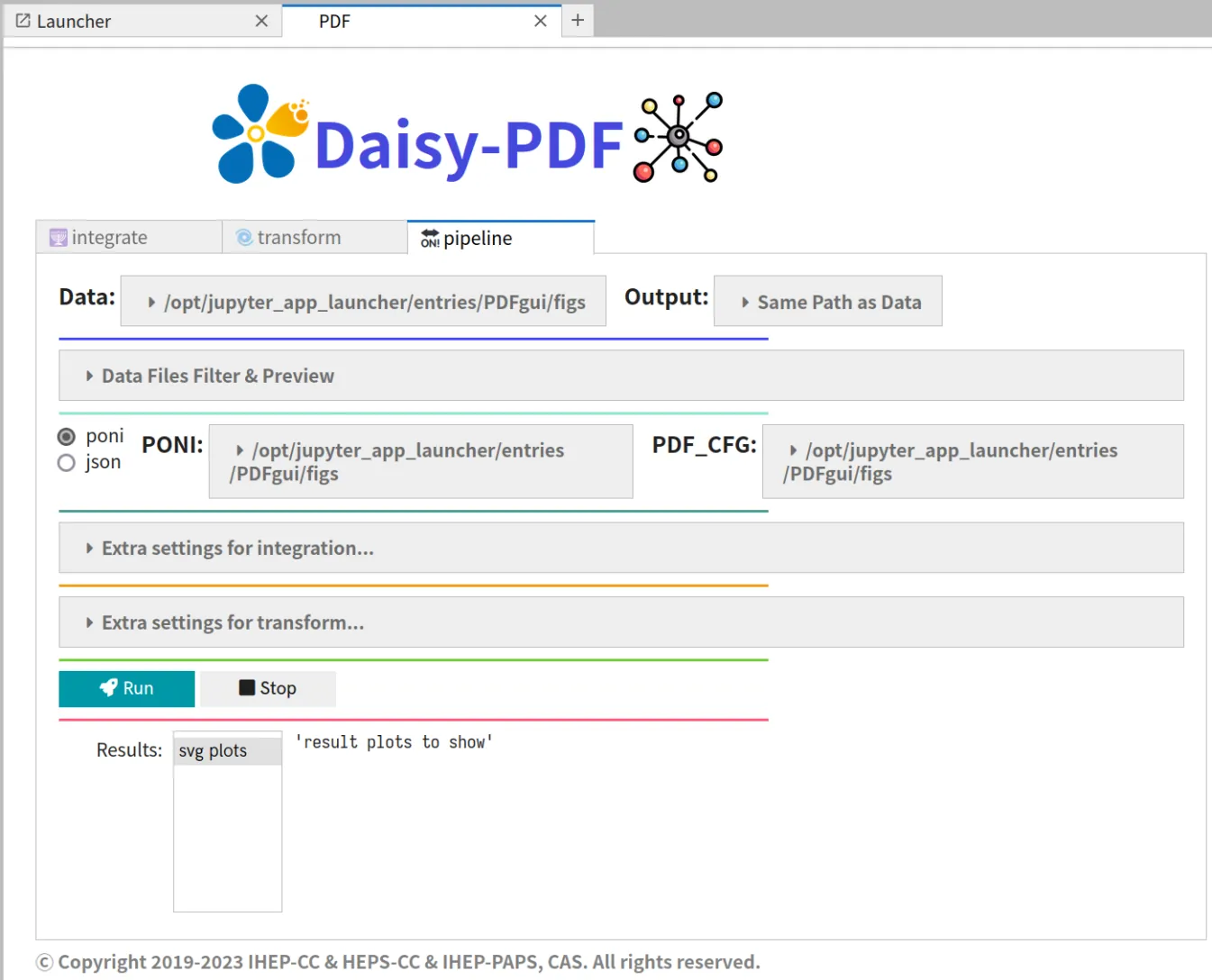
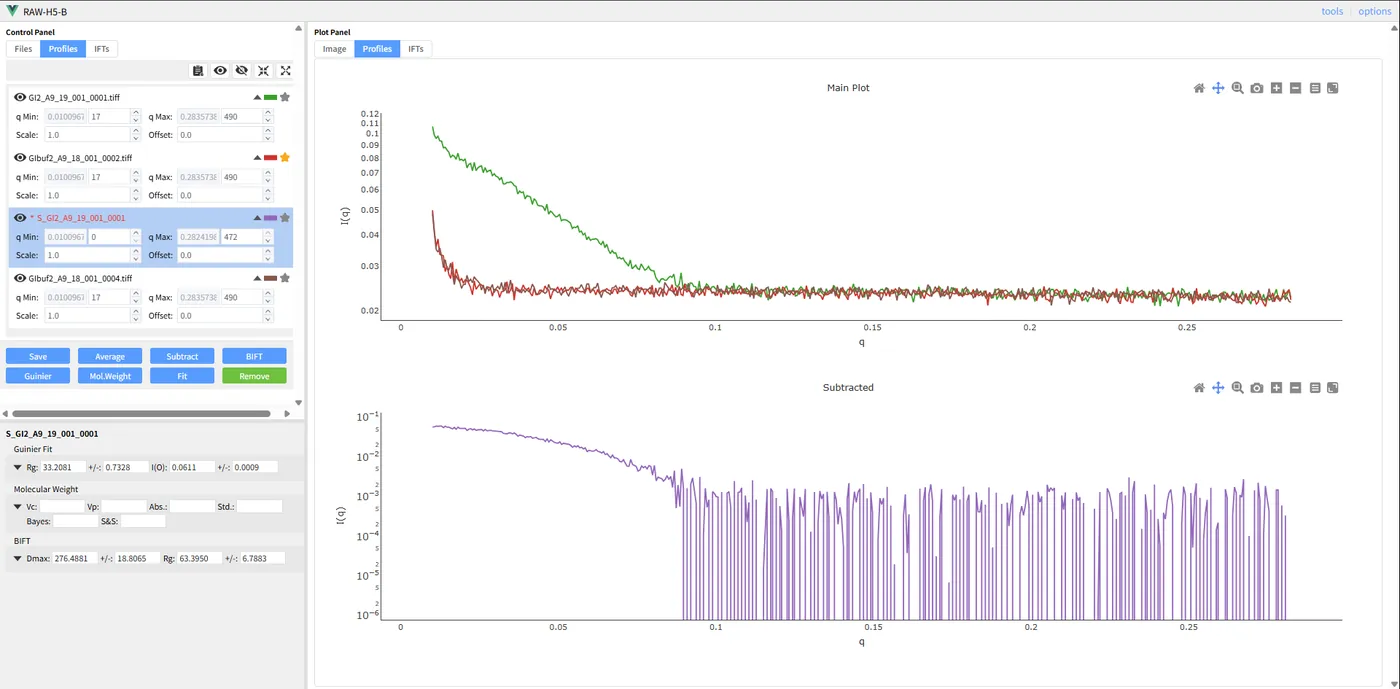
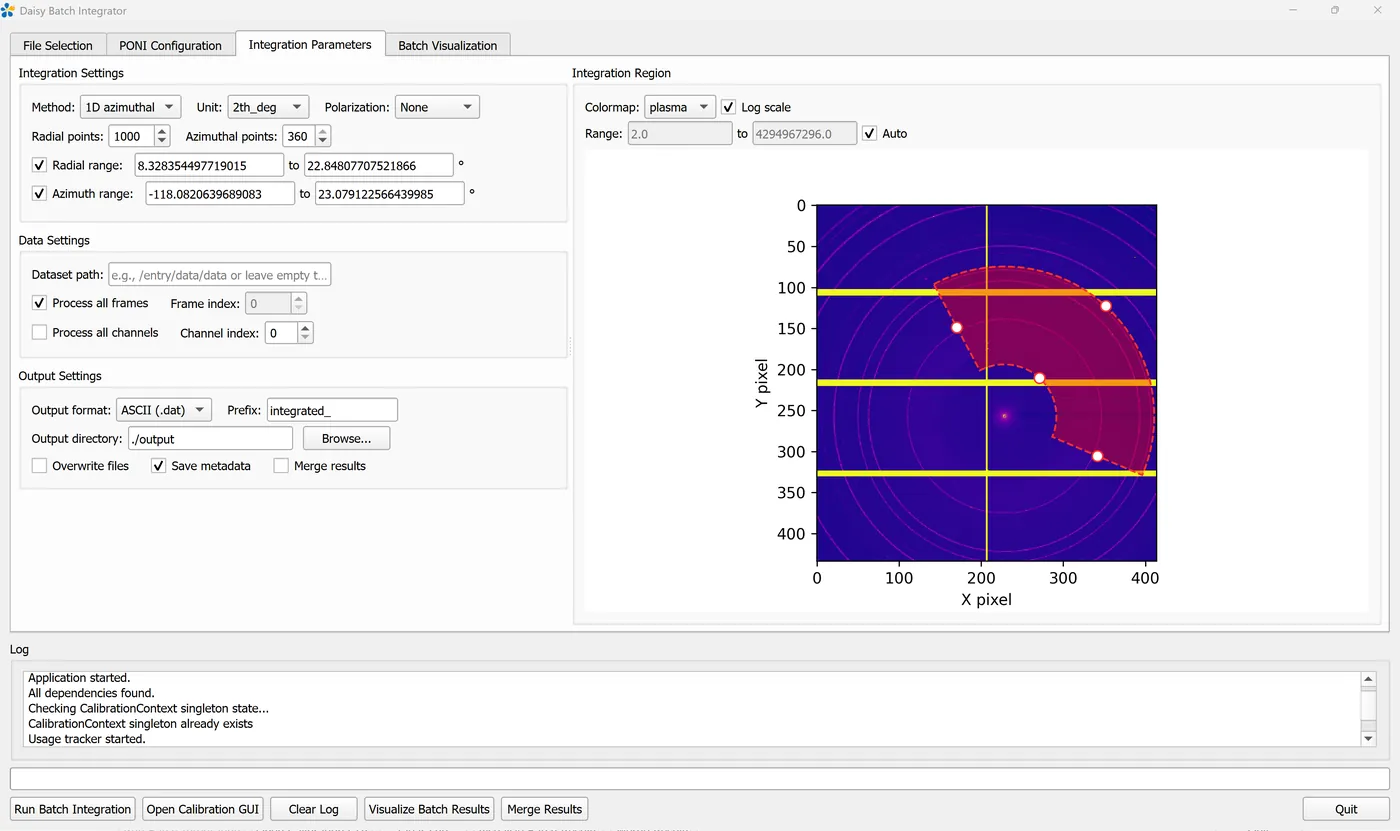
Atomic pair distribution function (PDF) workflow: diffraction data preview and screening, batch azimuthal integration and PDF calculation.
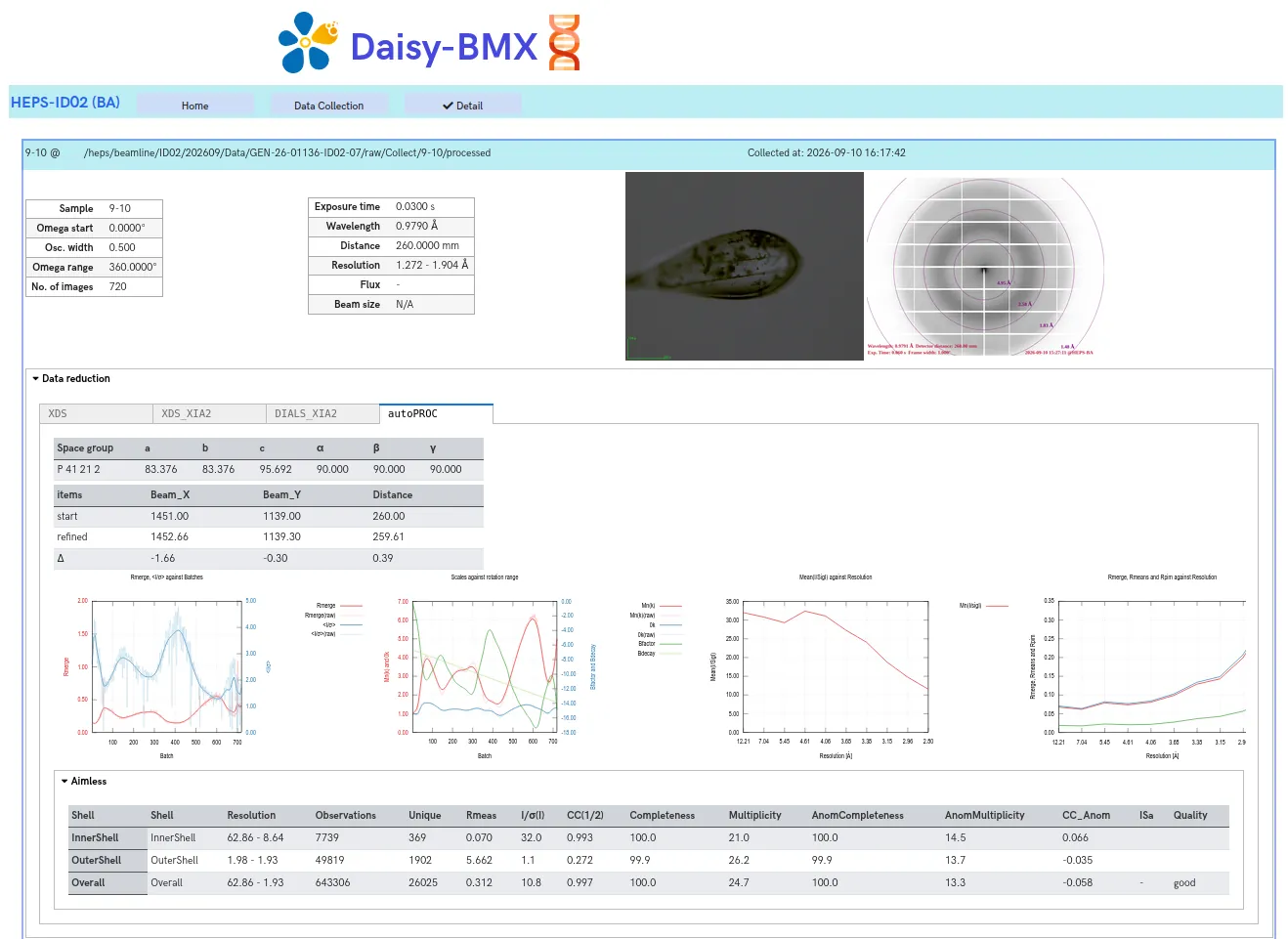
High-throughput macromolecular crystallography pipeline: peak finding, indexing, integration, scaling and merging, producing MTZ reflection files.
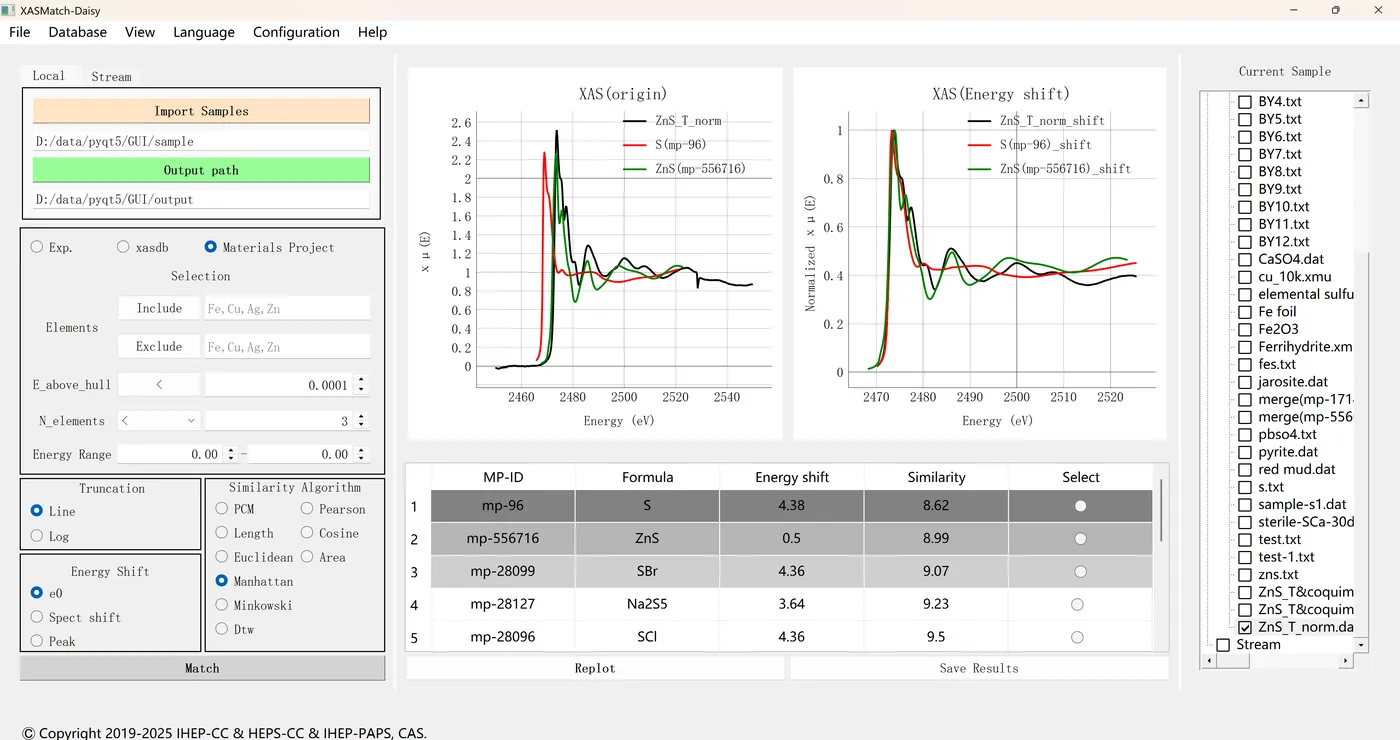
Desktop XAS/XAFS spectral matching and analysis software with normalization, local/XASDB/Materials Project search, energy alignment, multi-metric ranking, and interactive comparison plots.
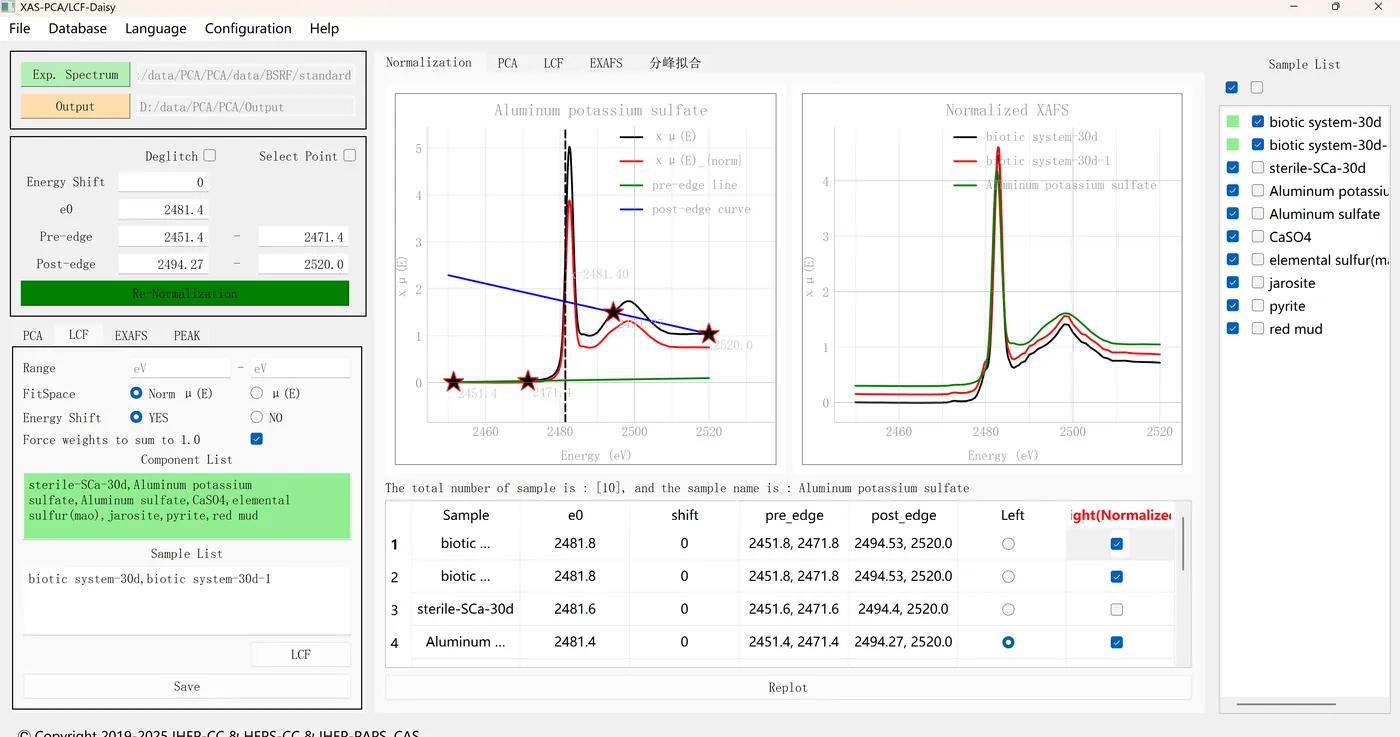
A desktop application for X-ray absorption spectroscopy (XAS) that integrates data import, normalization, PCA, LCF, EXAFS and peak fitting, with batch processing, interactive visualization and CSV/PNG export.
This release covers 14 packages across imaging, diffraction/scattering and spectroscopy, with major updates to multi-GPU reconstruction in HEPSCT, iterative algorithms in Daisy-HEPSPtycho and spectral library search in XASMatch.
After the experiment, log in to TORCH, start the offline computing service, choose a duration and enter the data processing software interface.
Every package has a maintainer — contact them to customise software or integrate algorithms.